

Metal Roofing
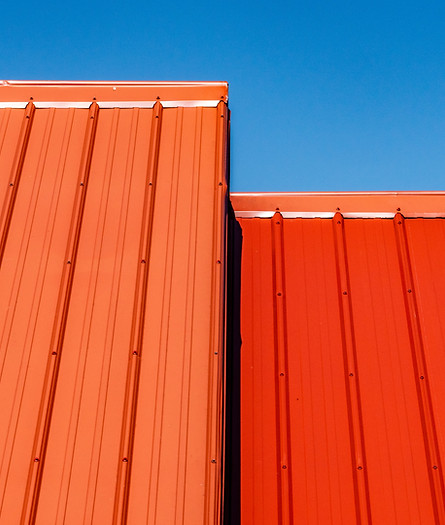
Expert Metal Roofing Solutions & Installation by Viking Roofing
Investing in a long-lasting roofing solution is crucial for safeguarding your home from harsh weather conditions. Metal roofing options offer remarkable durability against severe storms, including the frequent hail events in the Colorado Front Range.
Available in multiple styles, these roofs not only boost your home’s visual appeal but also ensure an extended lifespan and minimal upkeep.
Ensuring quality installation plays a vital role in enhancing the benefits of metal roofing systems. Employing experienced contractors helps implement the right techniques, leading to improved energy efficiency and potential savings. By prioritizing expert installation now, you can enjoy significant returns on your investment for years to come.
Benefits of Metal Roofing in Hail-Prone Areas
Metal roofing performs exceptionally well during extreme weather conditions, especially hailstorms. Steel roofing is a reliable choice for homeowners seeking strong protection against hail damage. This material’s strength ensures it can endure impacts without developing dents or cracks, promoting a lasting investment. Such resilience extends the lifespan of the metal roof and significantly reduces repair or replacement costs.
Choosing aluminum roofing offers additional advantages, including potential savings on insurance premiums. Many insurance providers recognize the protection that strong metal roofing offers, allowing homeowners to enjoy lower rates with these durable solutions. Furthermore, metal roofs are known for improving energy efficiency by reflecting sunlight, which helps maintain a comfortable indoor environment.
Metal Roofing Options: Choosing the Best Material
Selecting the right material for your roofing needs plays a crucial role in ensuring long-term performance. In regions where harsh weather is common, particularly hail storms, the choice of roofing material can greatly influence your home’s resilience and maintenance requirements. Metal roof panels made from strong materials are especially noteworthy for their ability to withstand severe conditions.
Aluminum roofing sheets are lightweight and highly resistant to corrosion, making them ideal for harsh climates. Steel roofing offers flexible solutions that accommodate a range of budgets without compromising on performance. Copper enhances a home’s aesthetic value while providing a long-lasting metal roof solution. Zinc, with its natural self-healing properties, improves the robustness of metal roof panels and sheets, further extending their longevity.
Understanding Cosmetic Exclusions for Metal Roofs
Homeowners must consider the implications of cosmetic exclusions that can accompany their choices. Certain visual imperfections, such as fading or scratches, are often excluded from coverage during the installation of metal roofing systems. Recognizing these limitations is essential for managing expectations and ensuring the longevity of the roof’s aesthetics. Regular metal roof maintenance practices, such as cleaning and inspections, can significantly enhance the visual integrity and overall lifespan of the metal roof. Protective coatings can also provide an extra layer of defense against environmental stressors.
The Longevity and Durability of Metal Roofing
The type of metal roofing selected greatly influences how well a roof withstands severe weather conditions. The composition of various metals, such as aluminum and steel roofing, showcases impressive resistance to corrosion and damage. Both aluminum roofing and steel roofs are recognized for their durability, offering substantial protection against environmental stressors. Proper metal roof installation by qualified contractors ensures the metal roof panels are securely attached, minimizing the risk of premature wear and damage.
Regular maintenance practices, including scheduled inspections and routine cleaning, play a vital role in enhancing the lifespan of roofing systems. Metal roof coatings can guard against rust and environmental wear, preserving the functionality and aesthetics of the roofing over time.
How Metal Roofing Systems Work
Homeowners should understand how metal roofing systems are designed to provide protection against severe weather. The strength and durability of metal roofing materials make them a preferred choice over traditional roofing types. Key components of a metal roofing system include metal roof panels, underlayment, and insulation materials. These roofing materials improve energy efficiency by reflecting sunlight, which significantly reduces heat build-up in homes. The inherent strength and impact resistance play a crucial role in extending the lifespan of a roof.
The Cost of Installing a Metal Roof
Understanding the financial aspects of investing in a metal roof is important for homeowners. The investment required for quality metal roofing systems can vary greatly based on several factors, including the type of roofing materials chosen, labor expenses, and the complexity of the installation process. The durability and longevity of a standing seam metal roof can offset these initial costs over time. Selecting experienced professionals is key to ensuring a durable and well-constructed metal roof. Skilled labor enhances the resilience and effectiveness of the roofing system.
How to Upgrade to Metal Roofing from Shingles
Homeowners can significantly enhance their property by upgrading to more resilient metal roofing materials. This is especially important for those living in areas where severe weather is common. Choosing a corrugated metal roof boosts durability and reduces the frequency of repairs and replacements. Metal roofing materials come in various styles and colors, allowing homeowners to personalize their homes while adding overall value. Proper metal roof insulation and ventilation are essential for energy efficiency. Consulting experienced professionals ensures the best outcome for your project.
Metal Roof Maintenance Tips
Maintaining your roofing system is essential for maximizing its performance and visual appeal. Regular upkeep not only safeguards your investment but also extends the lifespan of your structure. Schedule inspections at least twice a year to catch issues early, such as loose components or compromised seals. Cleaning debris and dirt from your roofing surface is equally important. Utilize a mild cleaning solution and a soft-bristle brush to maintain its sleek appearance. Address rust spots immediately to prevent significant structural issues. Applying a protective coating can enhance the benefits of your roof and extend its lifespan.
The Process of Metal Roof Installation
Preparation Before Installation
Preparation is key before installation starts. Evaluate the existing roof structure to confirm it can support the new metal roofing. Choosing the appropriate metal roofing materials and designs tailored to specific needs will significantly enhance the roof’s lifespan and performance.
Choosing the Right Professionals
Working with knowledgeable professionals who understand local building codes and permits is necessary. Evaluating potential metal roofing contractors involves reviewing their expertise, past projects, and proposals.
Execution of the Installation Process
Proper execution of the installation process ensures the right metal roof remains intact during challenging conditions. A well-planned installation process reinforces the roof’s aesthetic appeal and optimizes performance and resilience.
Why Choose Metal Roofing for Your Home
Choosing the right roofing system is important for long-term satisfaction. Metal roofing is known for its durability and low upkeep requirements. Homeowners can expect a metal roof lifespan of up to 70 years, making it a sound investment. In the Colorado Front Range, where severe weather can cause damage, selecting a metal roof offers excellent protection against harsh elements like hail, wind, and snow. Energy efficiency is another major benefit. A metal roof reflects heat effectively, helping homeowners lower cooling costs, which leads to ongoing savings on energy bills.
Pros and Cons of Metal Roofing
Strength and Durability
Metal roofs offer exceptional strength, especially in areas prone to severe weather, like hail storms experienced in the Colorado Front Range. Metal roofing systems provide a sturdy choice that can withstand harsh conditions.
Longevity and Value
Many metal roofs, such as standing seam metal roofs, can last over fifty years, greatly reducing the need for frequent replacements and improving the property’s overall value.
Initial Cost and Maintenance
The upfront cost of installing a metal roof may be higher than traditional roofing materials. Regular maintenance and protective measures are required to keep the roof in good condition. Routine inspections can address any rust issues quickly, helping to prolong the metal roof’s lifespan.
Noise and Comfort
Noise during storms can be a concern, but soundproofing solutions can minimize the sound, creating a comfortable indoor environment during bad weather.
Impact of Metal Roofing on Home Value
Metal roofing materials significantly influence a home’s market appeal. A strong and modern roofing solution enhances a property’s curb appeal, presenting contemporary design aesthetics. The energy-saving capabilities of metal roofing systems attract potential homeowners. Proper insulation within a metal roof helps maintain comfortable indoor temperatures, leading to reduced energy expenses. Durable roofing installations, like metal roofs, reduce the likelihood of leaks, leading to fewer maintenance issues. Properties with such resilient installations are likely to see a noticeable increase in resale value.
How Metal Roofs Perform in Extreme Weather
Metal roofs provide robust protection from extreme weather, making them a reliable choice for homeowners in areas frequently impacted by storms and hail. Interlocking metal roof panels ensure enhanced stability even during fierce gales. The smooth surfaces of these roofs effectively prevent snow accumulation, reducing the risk of ice dams forming. Impact resistance during hail storms is another important feature, with numerous designs crafted to absorb impacts while remaining intact. The reflective properties inherent in metal roofing improve energy efficiency, assisting in maintaining cooler indoor temperatures.
Metal Roofing Solutions FAQ
Q1: What are the benefits of metal roofing?
A1: Metal roofing offers numerous benefits, including exceptional durability, long lifespan (50+ years), energy efficiency, fire resistance, and low maintenance. Metal roofs can withstand extreme weather conditions and are available in various styles and colors to enhance curb appeal.
Q2: How long does a metal roof last?
A2: A properly installed metal roof can last 50 years or more, depending on the material and maintenance. Some metal roofs, like those made from copper or zinc, can last over 100 years.
Q3: Is metal roofing noisy when it rains?
A3: Modern metal roofing, when properly installed with solid sheathing and insulation, is no noisier than other roofing materials. The added layers help dampen the sound of rain and hail.
Q4: Can metal roofs be installed over existing shingles?
A4: Yes, metal roofs can often be installed over existing shingles, which can save time and disposal costs. However, it’s essential to have a thorough inspection to ensure the underlying roof structure is sound and meets local building codes.
Q5: Are metal roofs energy efficient?
A5: Yes, metal roofs are highly energy-efficient. They reflect solar radiant heat, reducing cooling costs by 10-25%. Metal roofing materials are often coated with special reflective coatings to enhance this effect.
Q6: What types of metal roofing materials are available?
A6: Common types of metal roofing materials include steel, aluminum, copper, and zinc. Each material has its unique properties, such as durability, weight, and cost. Steel and aluminum are the most popular due to their balance of affordability and performance.
Q7: How much does it cost to install a metal roof?
A7: The cost of installing a metal roof varies based on the material, roof size, and complexity of the installation. On average, metal roofing can cost between $7 to $12 per square foot, including materials and labor.
Q8: Do metal roofs rust?
A8: Modern metal roofing materials are designed to resist rust. Steel roofs are typically coated with protective layers of zinc (galvanized) or a combination of aluminum and zinc (galvalume) to prevent rusting. Aluminum, copper, and zinc roofs are naturally resistant to rust.
Q9: Are metal roofs environmentally friendly?
A9: Yes, metal roofs are environmentally friendly. They are often made from recycled materials and are 100% recyclable at the end of their lifespan. Metal roofs also reduce energy consumption, contributing to lower carbon emissions.
Q10: Do metal roofs attract lightning?
A10: No, metal roofs do not attract lightning. Metal roofing is non-combustible and provides a safe, secure barrier against lightning strikes. If struck, metal roofs can safely disperse the energy without catching fire.